

Get in touch
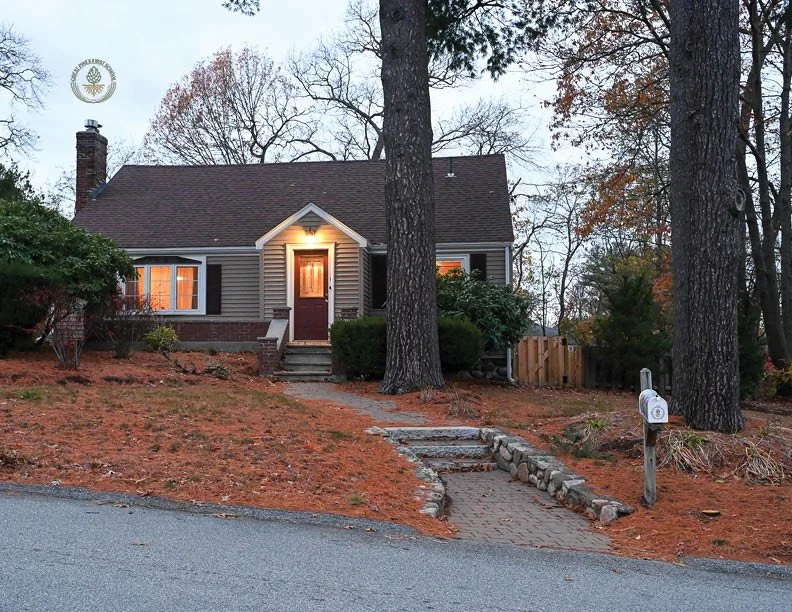
1 Great Pines Ave, Burlington MA-01803
info@greatpinesfirstschool.com
+1 781-655- 1671
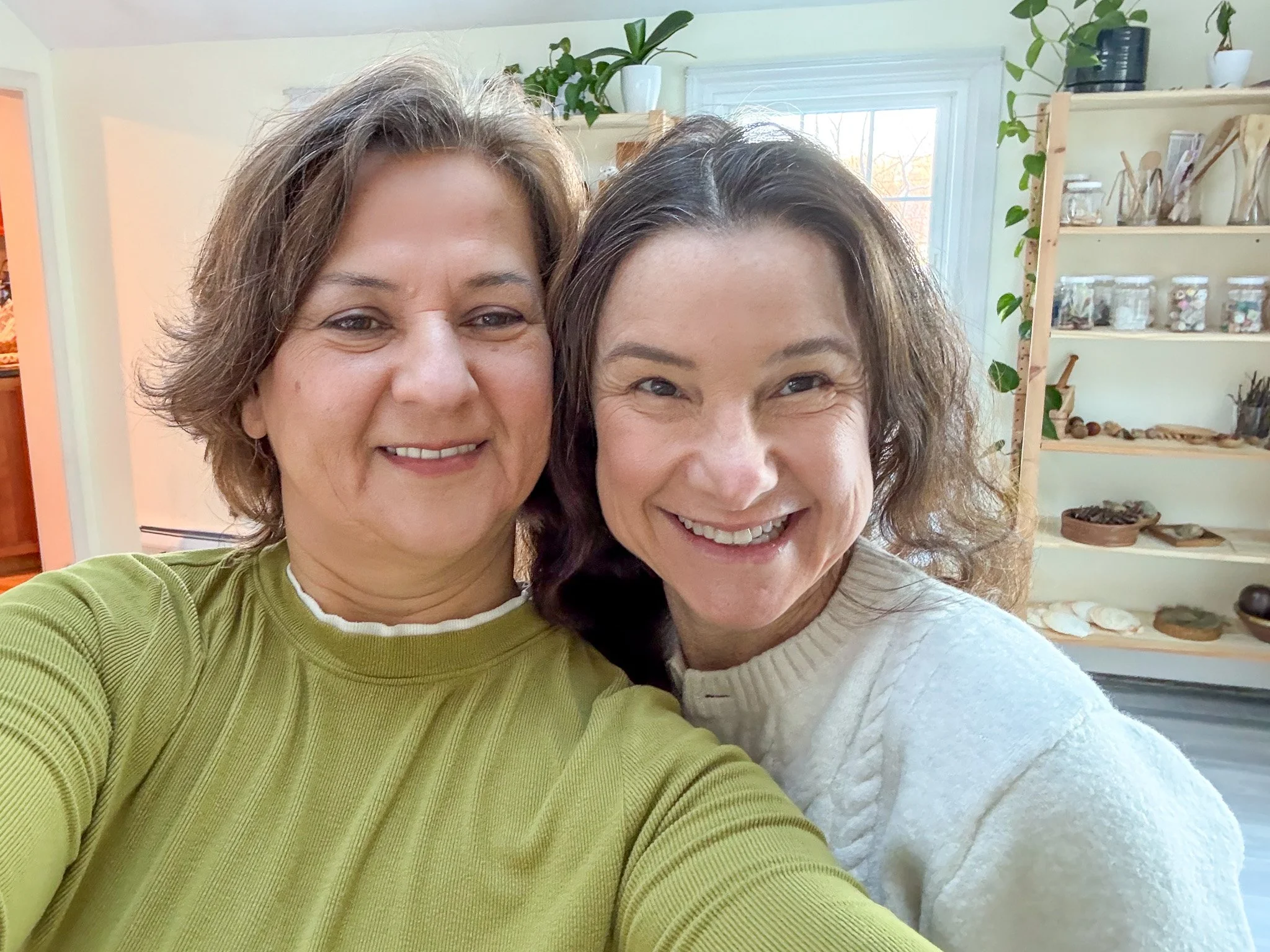
It all begins with a connection
FAQs
What is Great Pines First School?
1
Great Pines First School is a small, home-based early childhood program in Burlington, Massachusetts for children ages 1 to 5 years. We offer a warm and intimate learning environment where children grow through play, relationships, and exploration in nature.
Our approach is rooted in research on child development and guided by the belief that children learn best when they feel safe, curious, and connected to others.
Where is Great Pines First School located?
2
Great Pines First School is located in Burlington, Massachusetts on Great Pines Avenue. We serve families from Burlington and nearby communities including Lexington, Bedford, Woburn, Wilmington, and Winchester.
We welcome children from 1 through 5 years old, supporting them through the important developmental years from toddlerhood through preschool.
What ages do you serve?
3
What makes Great Pines different from other preschools?
4
Great Pines is intentionally small. This allows teachers to know each child deeply and respond thoughtfully to their curiosity, play, emotions, and ideas.
Our program emphasizes: close relationships between children and teachers; rich play experiences; time outdoors and connection with nature; thoughtful observation and responsive teaching;
We call this approach play-responsive education
What is play-responsive education?
5
Play-responsive education means that teachers pay close attention to the thinking unfolding inside children’s play.
Children experience our program as play while the educators ensure that children engage deeply in a broad variety of thoughtfully designed play invitations and activities (building, pretending, drawing, modelling with clay, or) storytelling. Teachers observe carefully and respond in ways that extend children’s ideas and support collaboration between children.
What is the difference between play-based and play-responsive learning?
6
In play-based programs, teachers prepare environments that allow children to explore freely.
Play-responsive teaching goes further. Teachers stay close to children’s play, noticing the ideas and relationships developing within it. They respond in ways that deepen children’s thinking and help children learn to play together as partners.
Do children learn academic skills in a play-based environment?
7
Yes. Young children learn academic skills (such as language, problem-solving, and early math and literacy) through meaningful experiences rather than worksheets. Most importantly, a play-responsive approach targets development of foundational skills which predict future school success (such as executive function, empathy, critical thinking and intrinsic motivation to learn). Research shows that these early experiences strongly support long-term learning.
How do teachers support children’s social development?
8
Learning to play together is one of the most important parts of early childhood.
Teachers help children: express their ideas; listen to others; negotiate shared stories and games; resolve conflicts respectfully. Over time, children move from playing near one another to becoming true partners in play.
We value your privacy. Any information you share with us is used only to respond to your inquiries or enrollment requests and is never shared or sold.
Read our full Privacy Policy for details.
© 2025 Great Pines First School LLC | Licensed by MA EEC | Terms of Use | Accessibility