
Great Pines First School
Learning Love Community Play Nature
Preschool in Burlington, MA
Great Pines First School is a small early education and childcare program in Burlington, Massachusetts serving children ages 1 to 5 years. Warm, relationship-centered approach in a group of six children and two expert educators. We offer nature-rich environment designed to support play, learning, and community.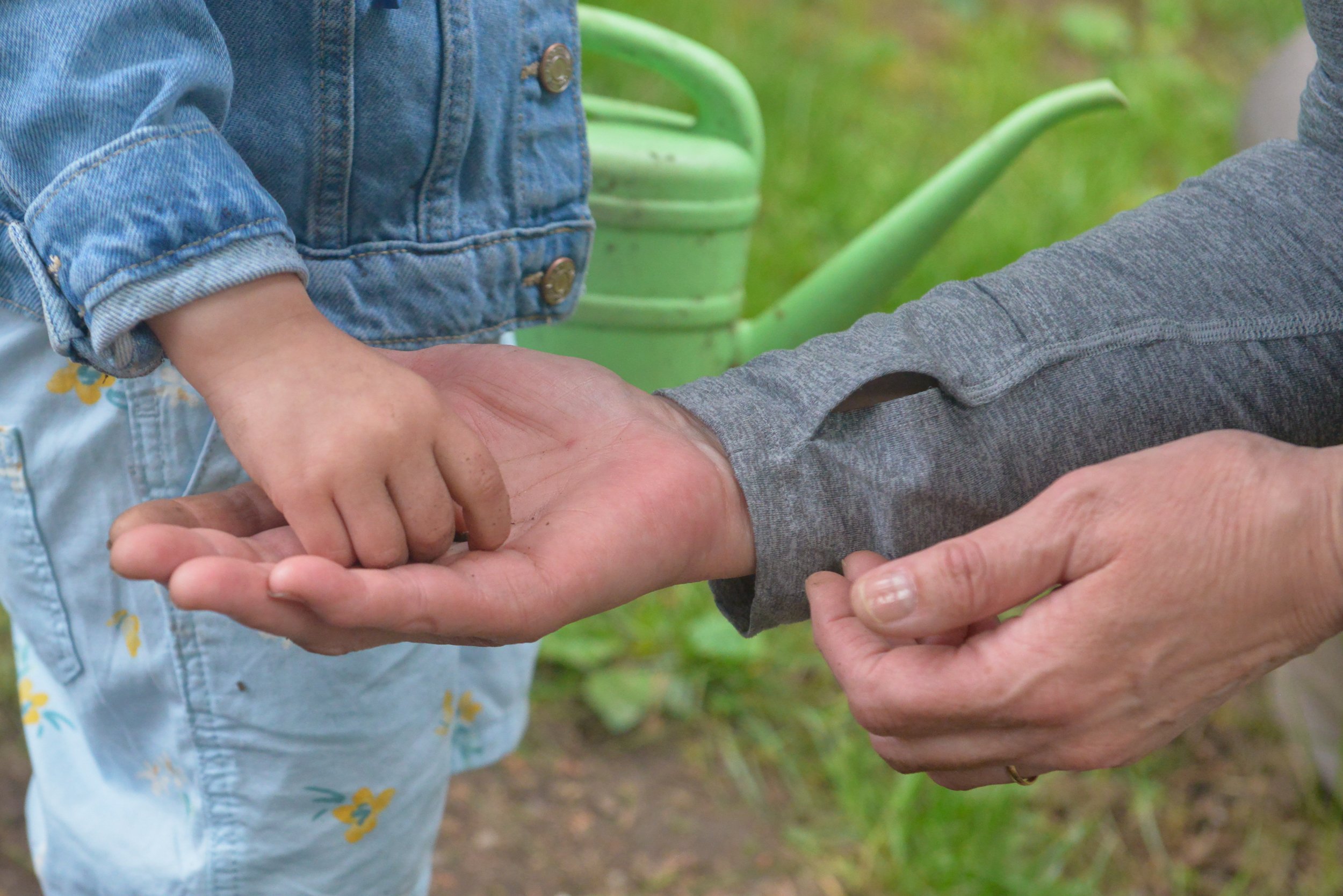
Love is our foundation - it connects us all.
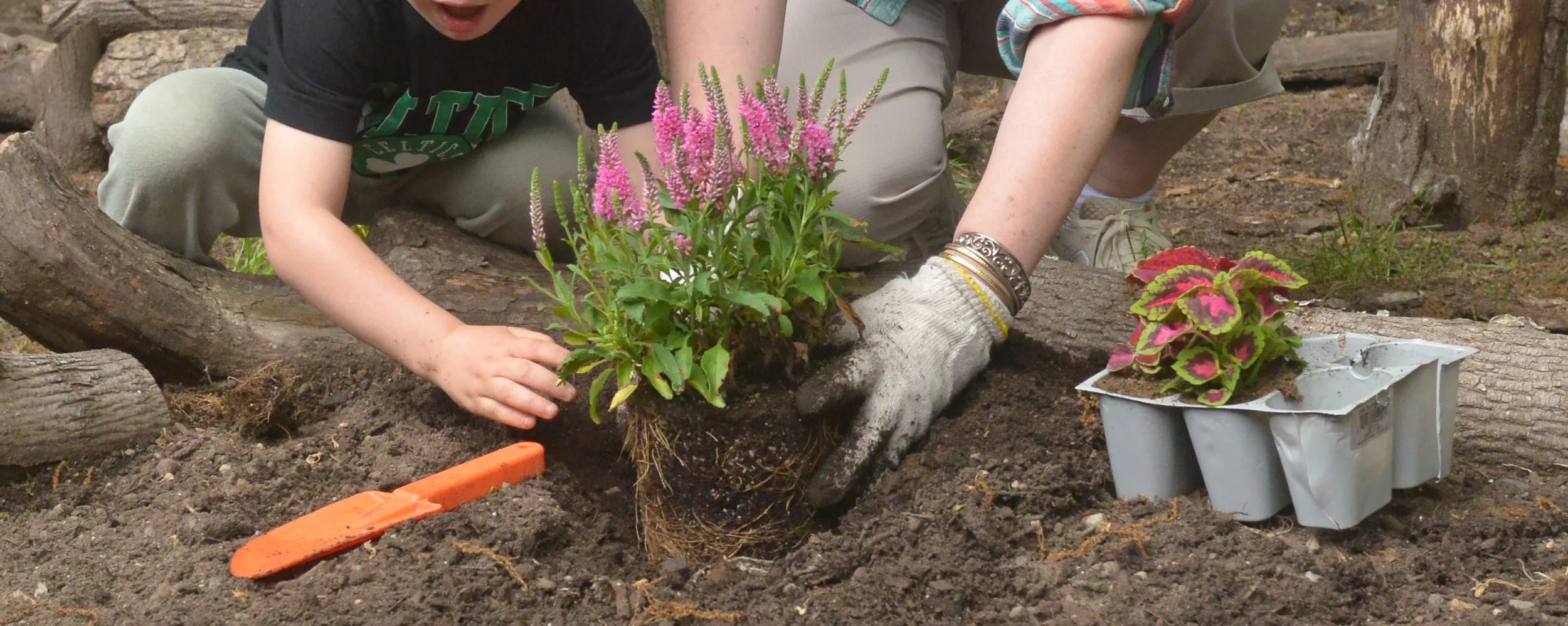
In community we grow together - children, families and teacher learning side by side.
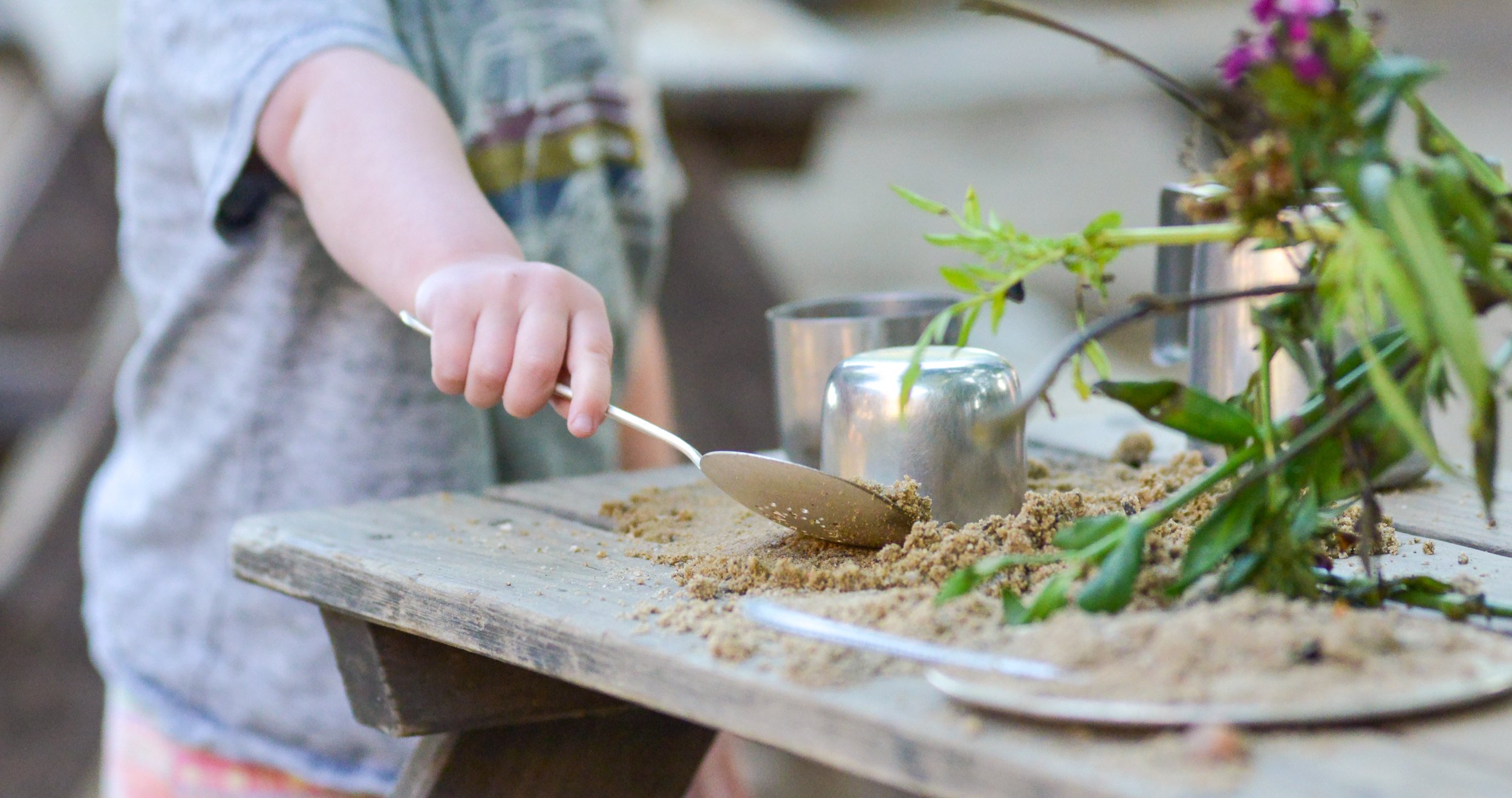
Play is children's most powerful way of being.
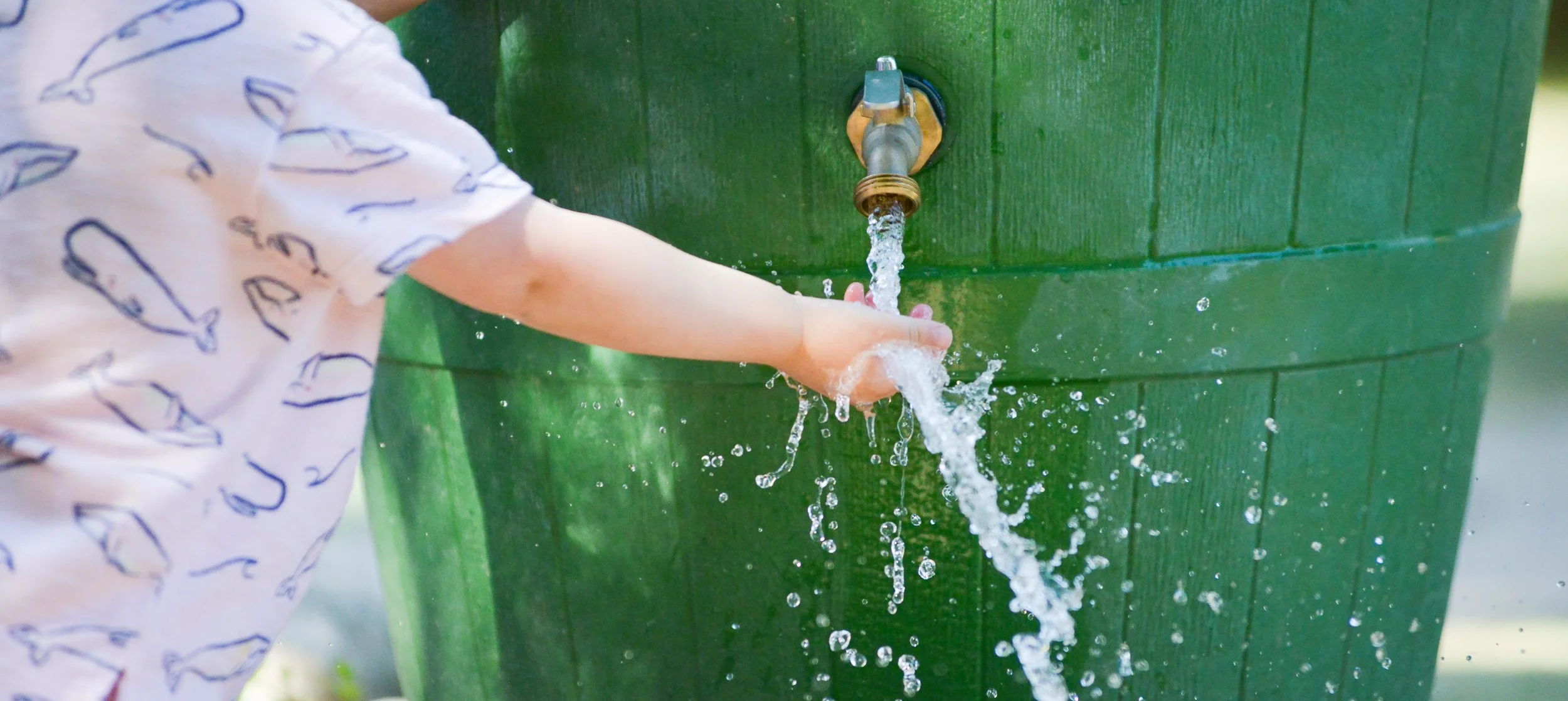
Learning with nature is children's right. We need the fulness of experiences with natural rhythms, beauty and harmony.
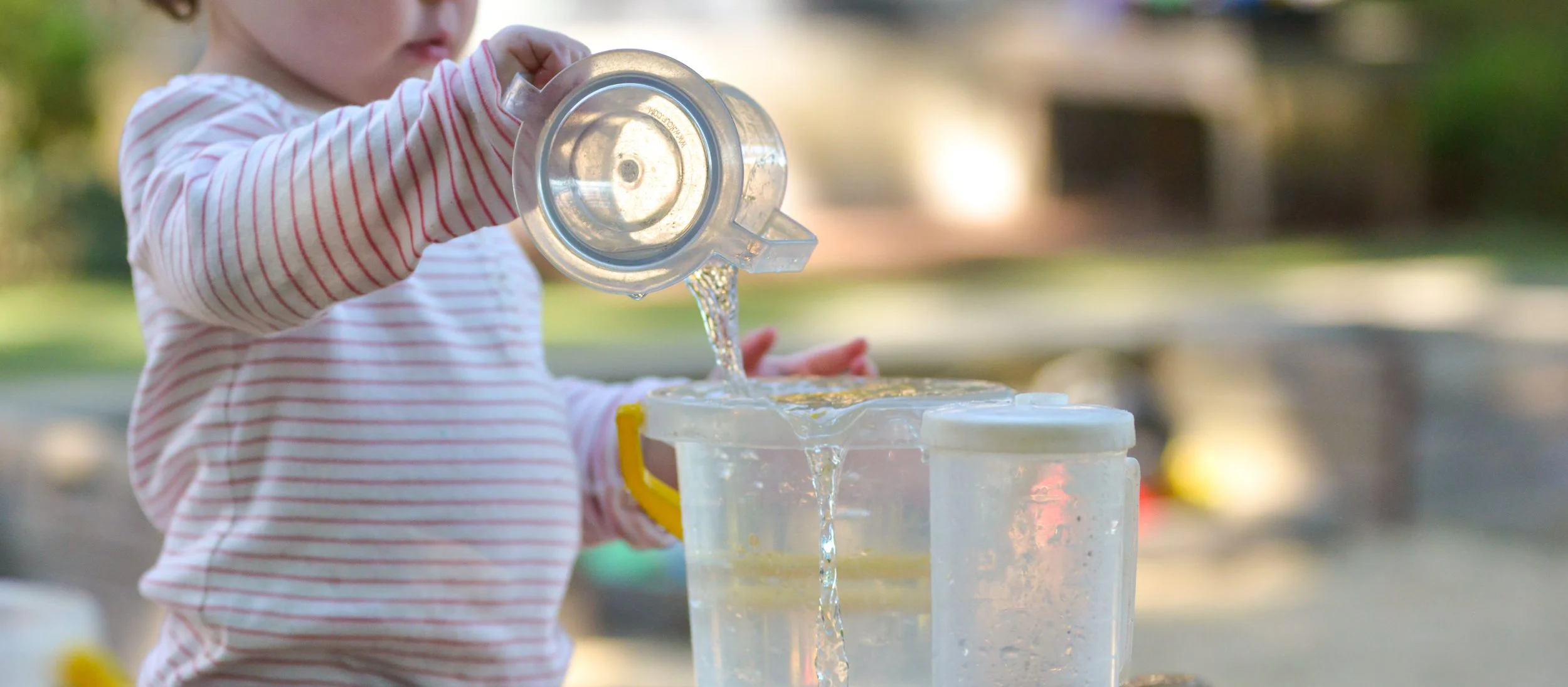
We strive for learning to feel intimate, joyful, and meaningful.

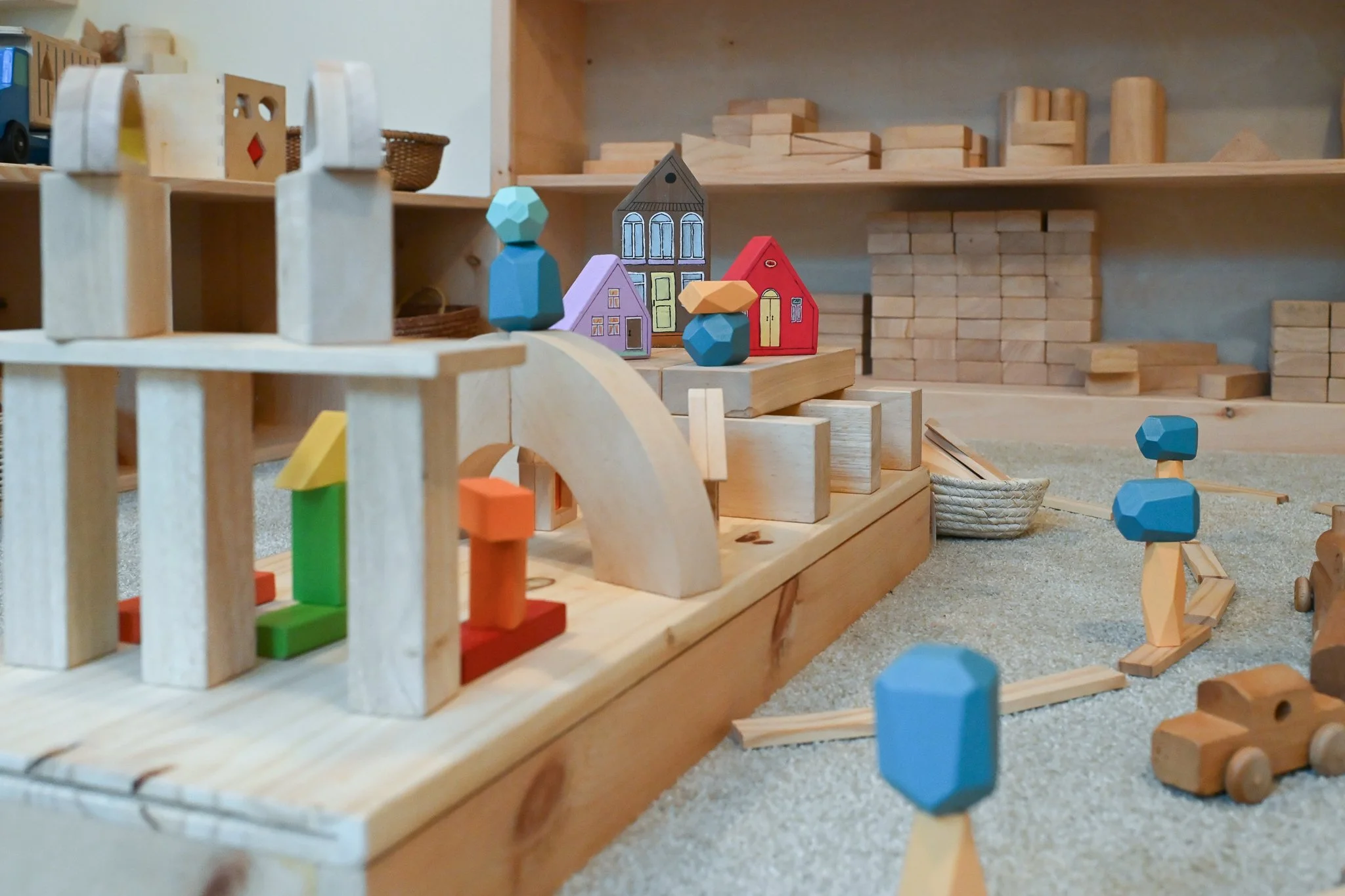
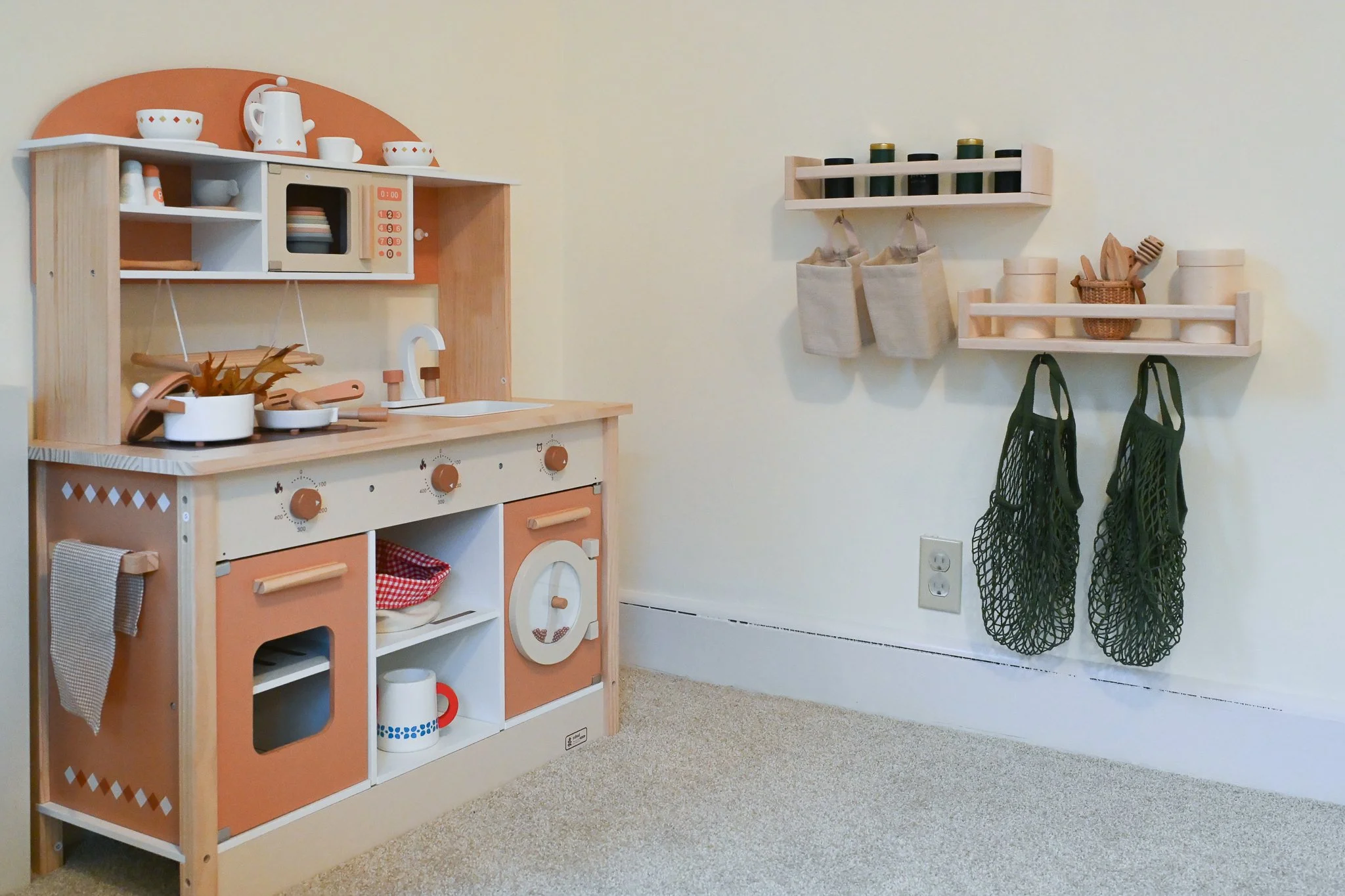
Dear Families
We are here to walk alongside you on the journey of raising your child —
and to offer learning opportunities that last a lifetime.
Have you ever wondered whether a large classroom of 15–20 children is really the best place for your child to grow?
Perhaps you’ve considered homeschooling but felt uncertain about the time and responsibility it requires.
Or maybe a parent cooperative sounded appealing — until you imagined the added burden of sharing childcare duties.
We understand these challenges.
That’s why we’ve created a different kind of child care and learning environment — one that truly works for both children and families.
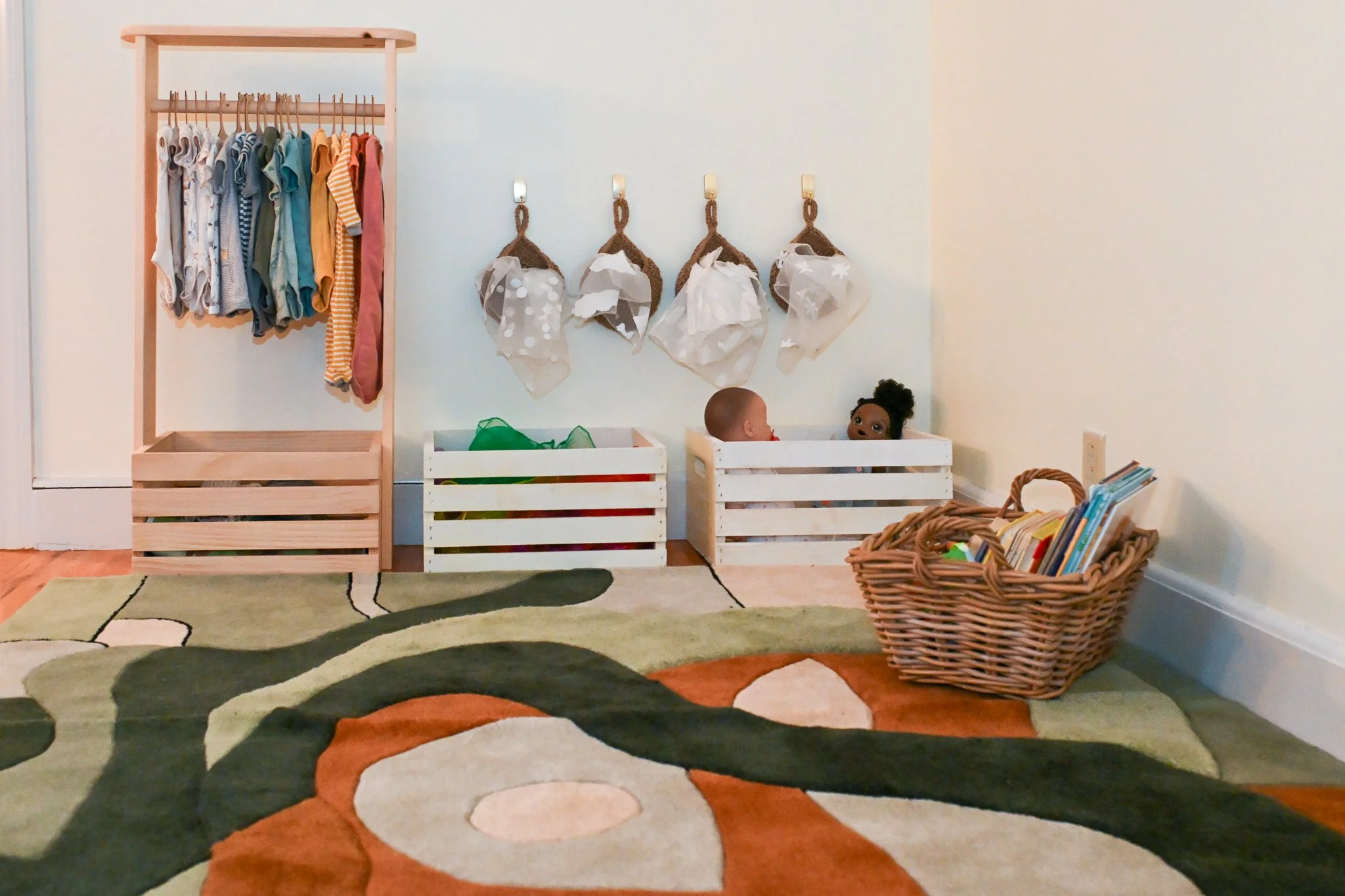
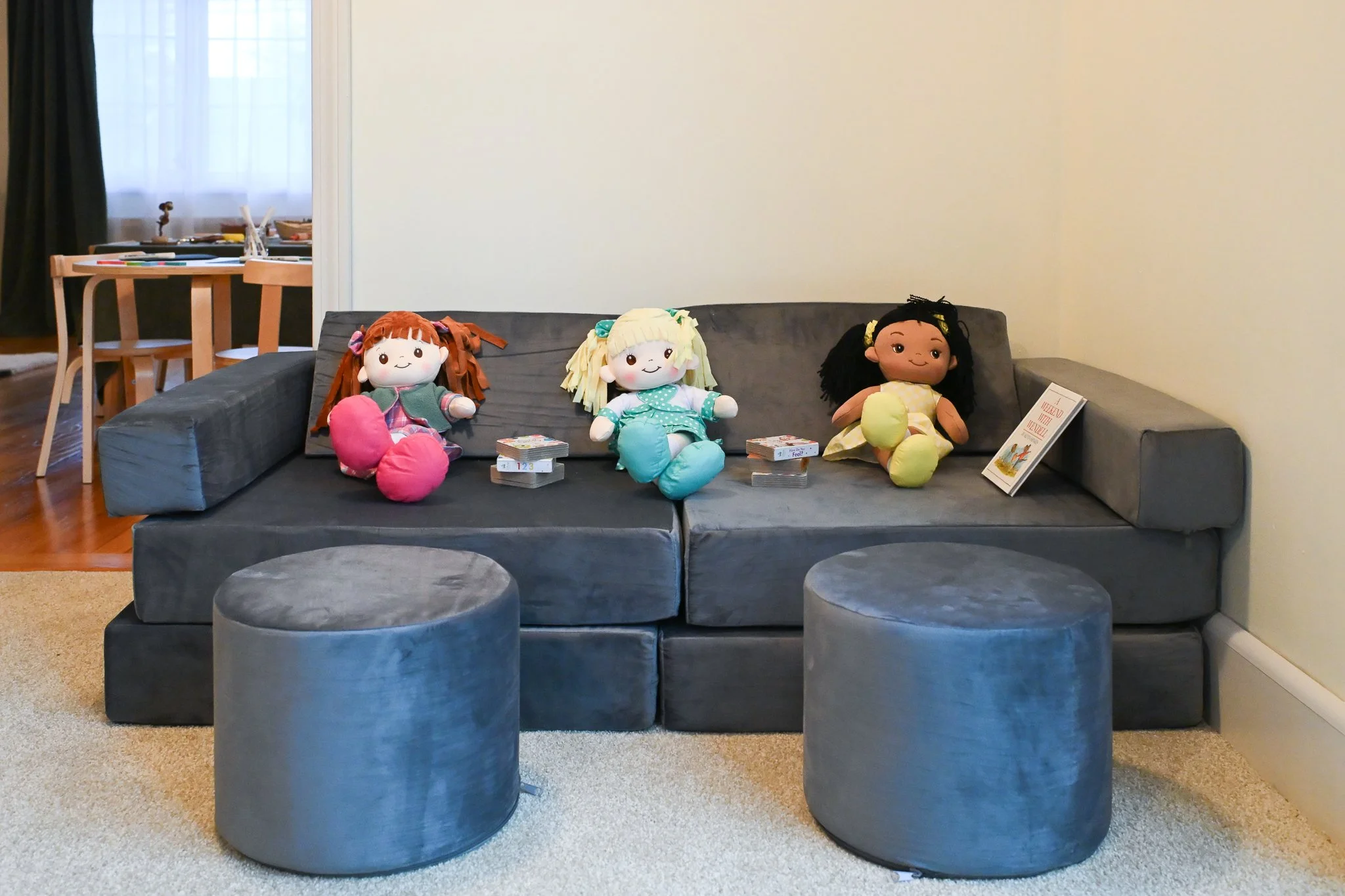
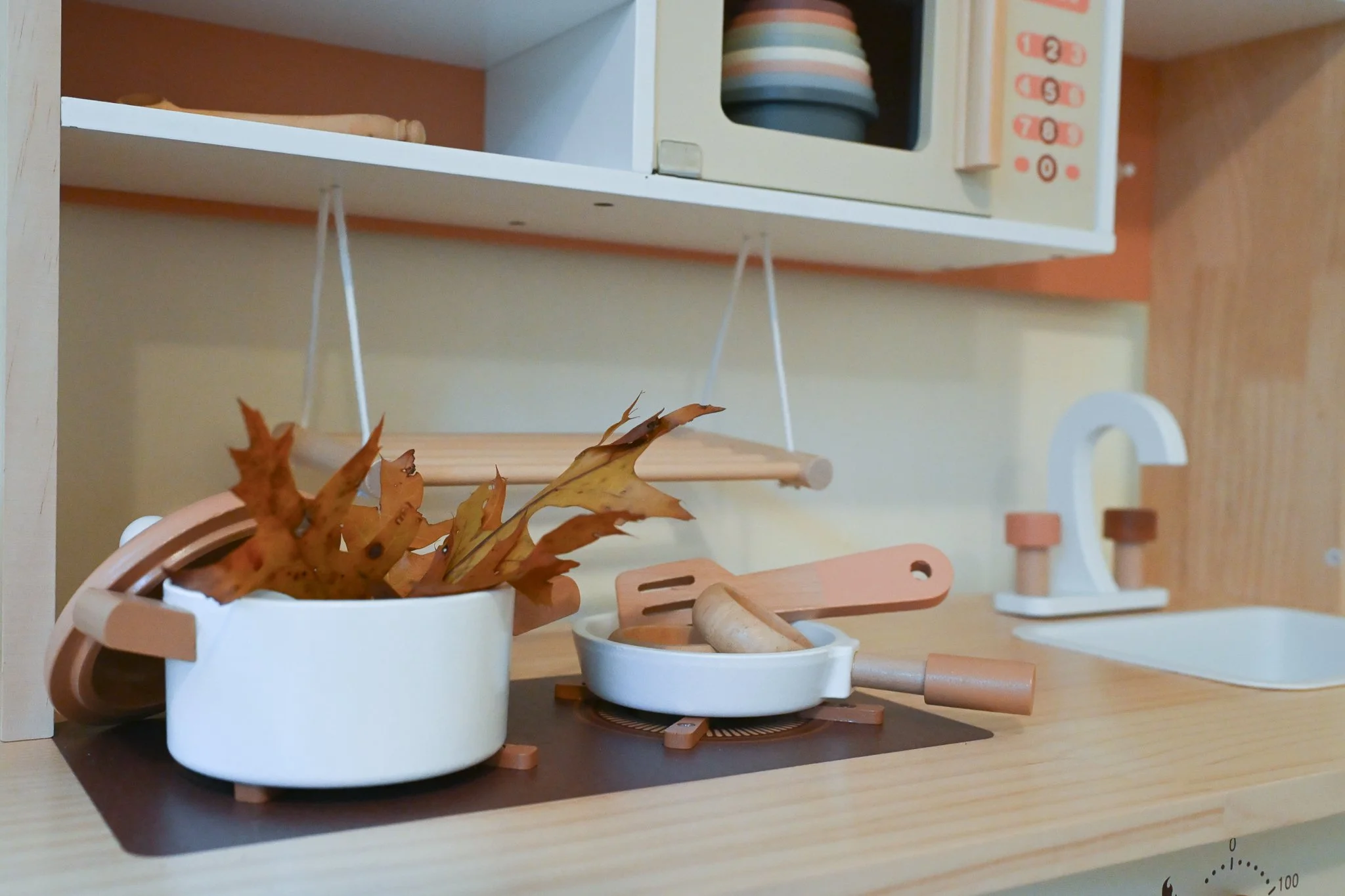
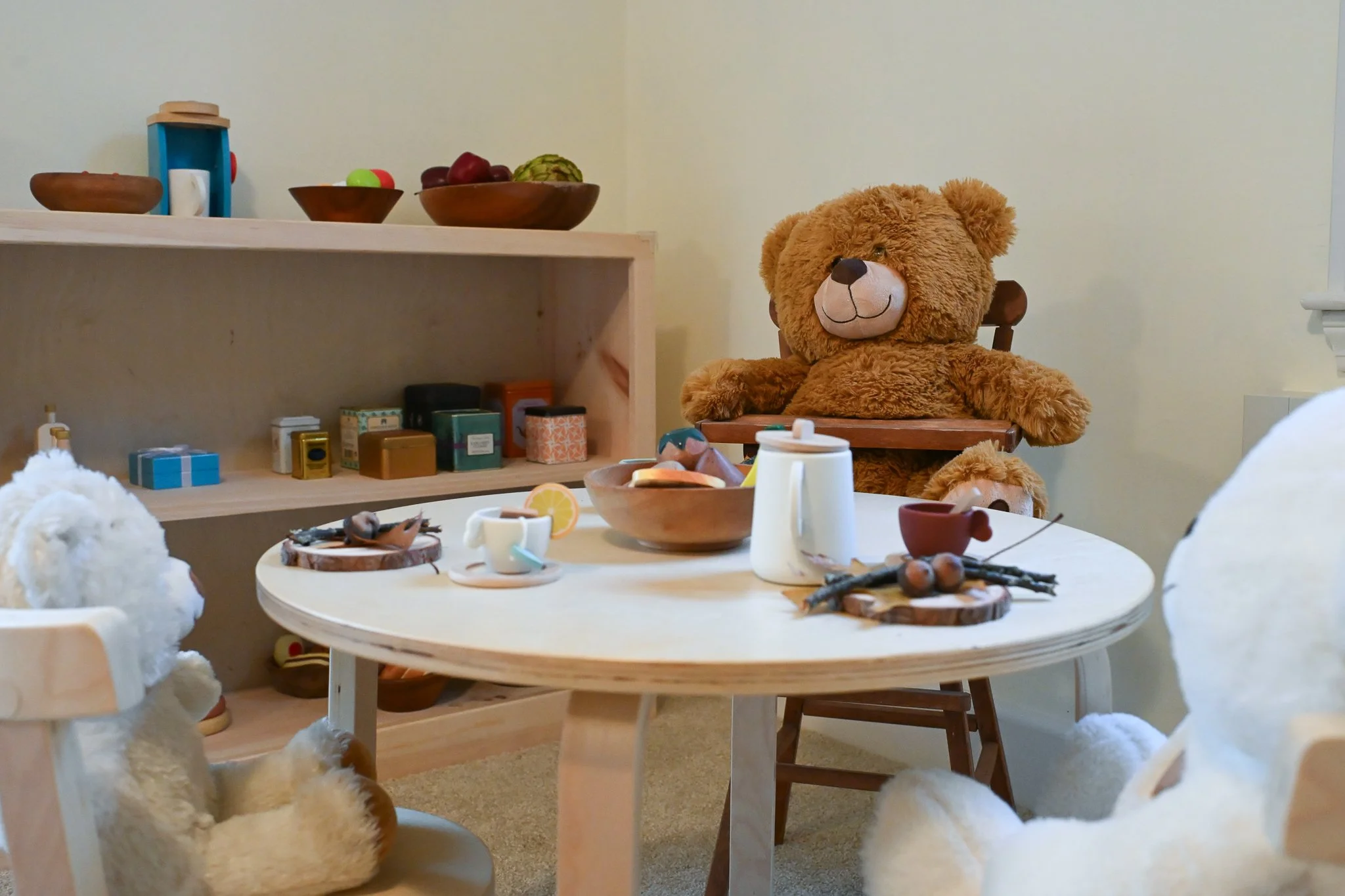

Dear Educators
We are delighted to welcome you into a space of dialogue, reflection, and curiosity. Thank you for your interest in our work and for sharing our commitment to heartfelt early childhood education.
Our approach is grounded in the ideas of Lev Vygotsky, whose emphasis on the social nature of learning and the power of shared meaning-making continues to shape how we think about human development.
We believe that learning in the early years unfolds not as a straight line but as a rhizome — a web of interconnected explorations and discoveries. Guided by this view, we cultivate environments rich in materials, relationships, and complexity.
At the heart of our practice is reciprocity— the mutual exchange between children, teachers, families, and the environment. We aim to create experiences that are warm, responsive, and challenging, nurturing both a sense of belonging and the drive for mastery.
As a truly play-based program, we design play invitations and contextual environments that nurture holistic development across domains—cognitive, social, emotional, physical, and creative.
The play materials we choose possess their own forms of agency and invitation. They speak to children, provoke questions, and invite dialogue. Within this dialogue, children develop theories, test ideas, and construct knowledge.
Rather than fragmenting learning into isolated skills, we strive for a holistic and integrated approach. Our practices are focused on the foundational skills that underlie all learning.
We support educators in developing a research-based understanding of play and play-based education. Our professional development sessions offer opportunities to learn how to design meaningful play invitations and learning contexts; strengthen pedagogical organization; engage in play-responsive teaching; and deepen play observation, analysis, and reflective practices. We also provide guidance on creating engaging, affordable outdoor classrooms and nurturing nature-rich play experiences.
Our Pedagogical Inspirations
Our philosophy grows from the work of thinkers, scientists, and poets who have illuminated childhood as a time of deep intelligence, connection, and creativity. Their insights help us shape a practice that is both intentional and full of wonder.
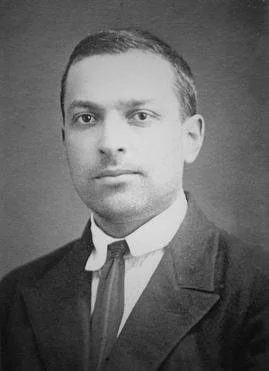
Lev Vygotsky revealed the power of shared meaning-making and emphasized that learning is inherently social. We embrace his understanding that at the heart of development lies reciprocity — the mutual exchange between children, teachers, families, and the environment.
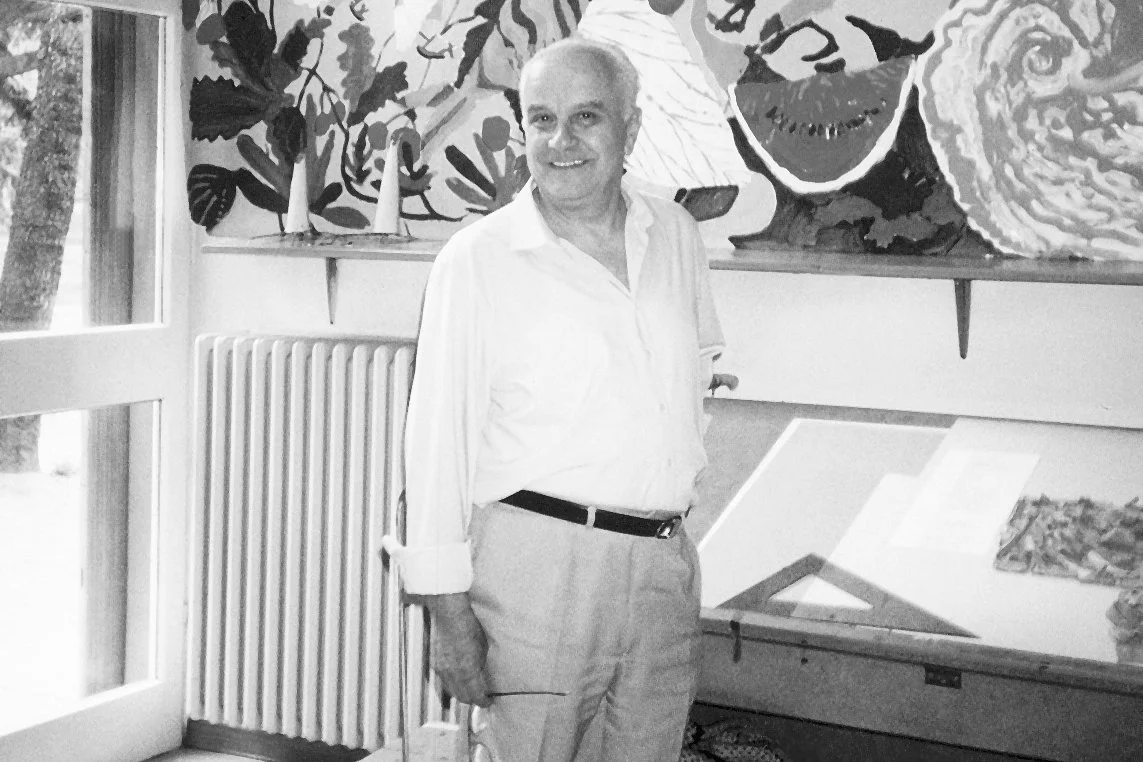
Loris Malaguzzi founder of the Reggio Emilia approach, offered a transformative image of the child — strong, capable, and full of potential. He reminded us that children are not empty vessels to be filled but protagonists in their own learning: driven to make meaning, connect with others, and transform the world around them.

Alison Gopnik invites us to see young children as natural scientists — brilliant explorers and theorists who experiment to understand their world. Her comparison of brain development to a metamorphosis offers a powerful metaphor for the dynamic transformations of early childhood.

Stuart Brown helps us see play not as an activity, but as a state of mind. This shift in perspective — from what children do to how they do it — highlights the qualities of engagement, curiosity, creativity, and joy that define authentic learning. Through this lens, we weave together play, brain development, and inquiry into intentional practice.
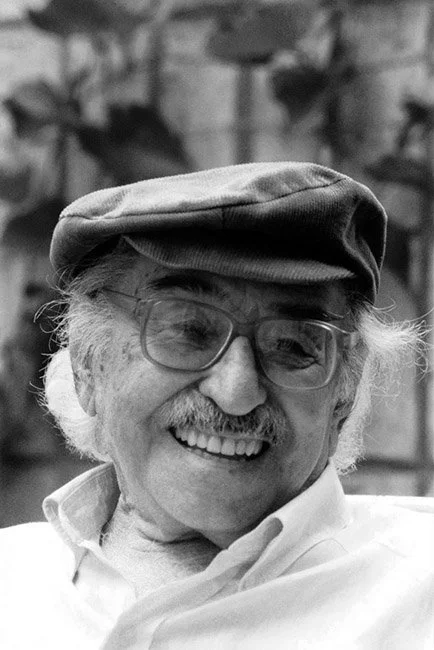
Manoel de Barros the Brazilian poet, teaches us to listen for the wisdom in the small and the unexpected. He reminds us that true understanding often lives in the language of children — imaginative, illogical, and beautifully free. His poetry calls us to return to a child’s way of seeing: curious, intimate with nature, and unburdened by convention.

Get in touch
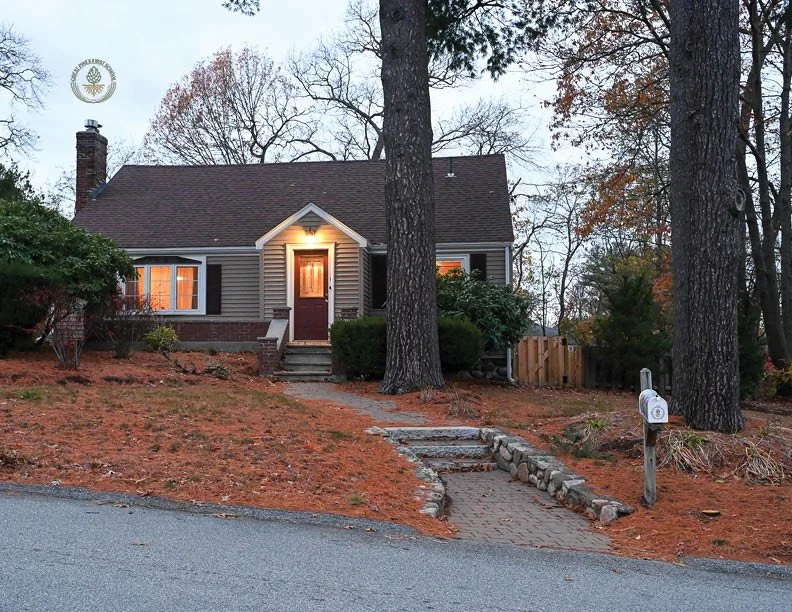
1 Great Pines Ave, Burlington MA-01803
info@greatpinesfirstschool.com
+1 781-655- 1671
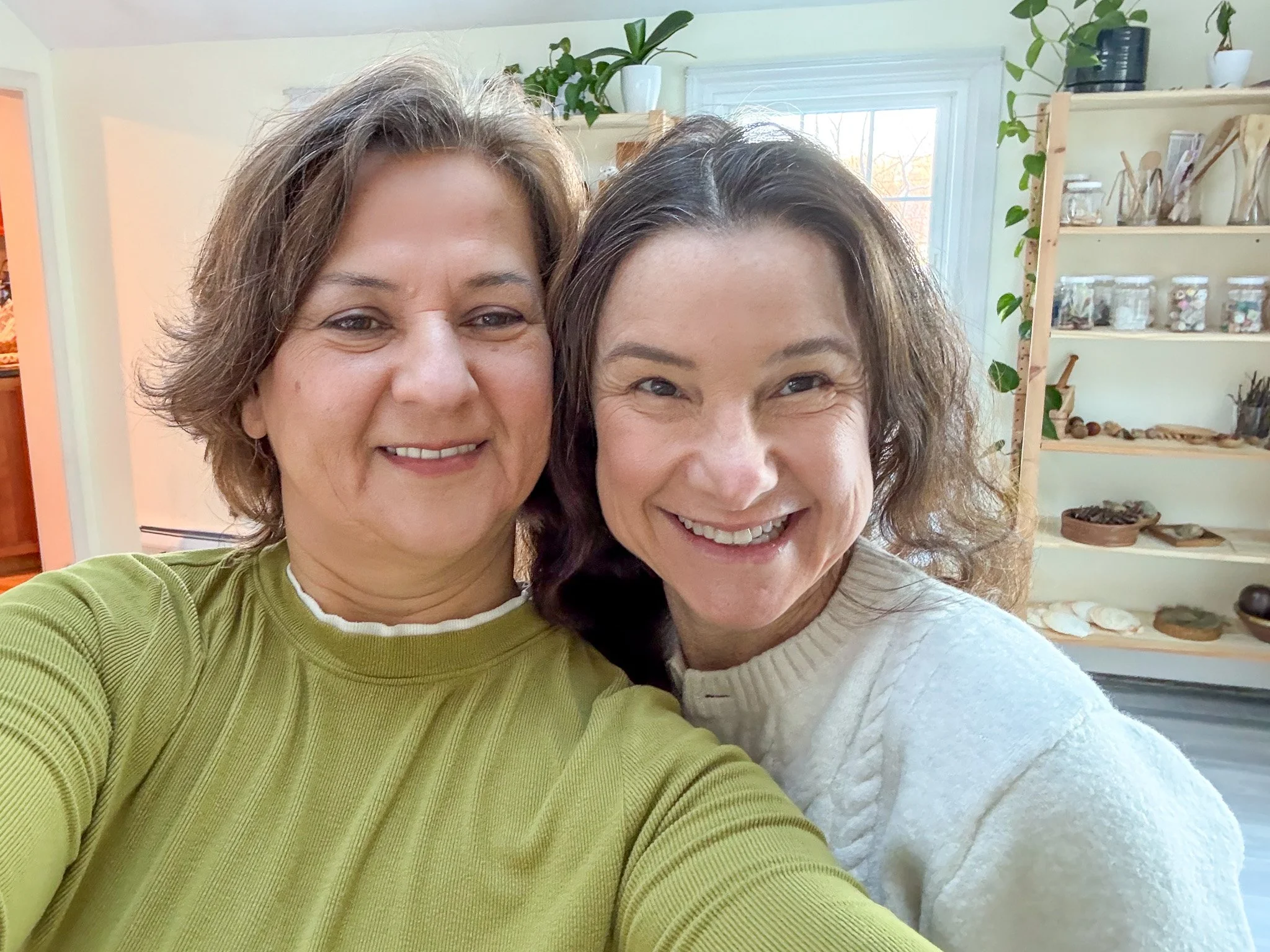
It all begins with a connection
FAQs
What is Great Pines First School?
1
Great Pines First School is a small, home-based early childhood program in Burlington, Massachusetts for children ages 1 to 5 years. We offer a warm and intimate learning environment where children grow through play, relationships, and exploration in nature.
Our approach is rooted in research on child development and guided by the belief that children learn best when they feel safe, curious, and connected to others.
Where is Great Pines First School located?
2
Great Pines First School is located in Burlington, Massachusetts on Great Pines Avenue. We serve families from Burlington and nearby communities including Lexington, Bedford, Woburn, Wilmington, and Winchester.
We welcome children from 1 through 5 years old, supporting them through the important developmental years from toddlerhood through preschool.
What ages do you serve?
3
What makes Great Pines different from other preschools?
4
Great Pines is intentionally small. This allows teachers to know each child deeply and respond thoughtfully to their curiosity, play, emotions, and ideas.
Our program emphasizes: close relationships between children and teachers; rich play experiences; time outdoors and connection with nature; thoughtful observation and responsive teaching;
We call this approach play-responsive education
What is play-responsive education?
5
Play-responsive education means that teachers pay close attention to the thinking unfolding inside children’s play.
Children experience our program as play while the educators ensure that children engage deeply in a broad variety of thoughtfully designed play invitations and activities (building, pretending, drawing, modelling with clay, or) storytelling. Teachers observe carefully and respond in ways that extend children’s ideas and support collaboration between children.
What is the difference between play-based and play-responsive learning?
6
In play-based programs, teachers prepare environments that allow children to explore freely.
Play-responsive teaching goes further. Teachers stay close to children’s play, noticing the ideas and relationships developing within it. They respond in ways that deepen children’s thinking and help children learn to play together as partners.
Do children learn academic skills in a play-based environment?
7
Yes. Young children learn academic skills (such as language, problem-solving, and early math and literacy) through meaningful experiences rather than worksheets. Most importantly, a play-responsive approach targets development of foundational skills which predict future school success (such as executive function, empathy, critical thinking and intrinsic motivation to learn). Research shows that these early experiences strongly support long-term learning.
How do teachers support children’s social development?
8
Learning to play together is one of the most important parts of early childhood.
Teachers help children: express their ideas; listen to others; negotiate shared stories and games; resolve conflicts respectfully. Over time, children move from playing near one another to becoming true partners in play.
We value your privacy. Any information you share with us is used only to respond to your inquiries or enrollment requests and is never shared or sold.
Read our full Privacy Policy for details.
© 2025 Great Pines First School LLC | Licensed by MA EEC | Terms of Use | Accessibility